🍌 Banana
Fertilizer Solution
Bigger Bunches, Better Quality, Higher Export Value
Our complete banana fertilizer program is designed by tropical agronomists to maximize bunch weight, finger count, and fruit quality — from sucker selection through harvest. Compatible with all drip irrigation and fertigation systems.
Why Banana Plantations Need Specialized Liquid Fertilizer
Banana (Musa spp.) is the world's most widely consumed tropical fruit and a critical cash crop for smallholder farmers and commercial plantations across Southeast Asia, Latin America, and Africa. Banana plants are among the heaviest feeders in tropical agriculture — a single plant producing one bunch can remove 200–400g of potassium, 100–200g of nitrogen, and significant quantities of magnesium and calcium from the soil per crop cycle.
The best fertilizer for banana is a high-potassium liquid fertilizer program that delivers nutrients in a water-soluble, immediately plant-available form. Unlike granular fertilizers that require weeks to dissolve and reach the root zone, liquid fertilizers applied via drip irrigation (fertigation) deliver nutrients directly to the root zone within hours — maximizing uptake efficiency and minimizing leaching losses in tropical soils.
Our banana fertilizer program integrates seaweed liquid fertilizer for stress resistance and root development, humic acid fertilizer for soil conditioning and nutrient retention, and high-K NPK liquid fertilizer for bunch development — each applied at the right growth stage for maximum impact on bunch weight and fruit quality.
Commercial banana plantations in the Philippines, Ecuador, Cameroon, and India have used our program to increase bunch weight by 25–35%, improve finger count per hand, and achieve the uniformity required for export markets. Our program is particularly effective in sandy or laterite soils where nutrient leaching is a major challenge — humic acid significantly improves nutrient retention in these soil types, reducing fertilizer waste and improving ROI.
Liquid fertilizer for banana is also more labor-efficient than granular alternatives. A single fertigation system can feed an entire plantation with minimal labor, reducing application costs by 40–60% compared to manual granular broadcasting. This makes liquid fertilizer programs especially attractive for large-scale commercial banana operations targeting export markets in Japan, South Korea, the Middle East, and Europe.
What Holds Banana Farmers Back?
Slow vegetative growth extending the crop cycle and delaying harvest by 3–6 weeks
Low bunch weight (under 20 kg) due to inadequate potassium and magnesium during bunch development
Leaf yellowing (magnesium deficiency chlorosis) reducing photosynthetic capacity and plant vigor
Panama disease and Sigatoka susceptibility increased by nutrient-stressed, weakened plants
Poor root development in compacted or waterlogged soils limiting nutrient uptake efficiency
High fertilizer costs with low ROI from granular broadcast application in sandy or laterite soils
The GreenGrow Banana Nutrition System
Our banana fertilizer program delivers high-potassium, high-magnesium nutrition at every critical growth stage. By combining seaweed biostimulants, humic acid soil conditioners, and stage-specific NPK formulas through drip irrigation, we maximize bunch weight, finger count, and fruit quality while reducing fertilizer waste.
- High-N formula (20-10-10) for rapid vegetative growth and pseudostem development
- High-K formula (12-6-40) during bunch development for maximum bunch weight
- Magnesium-rich program to prevent leaf yellowing and maintain photosynthetic capacity
- Seaweed extract for stress resistance and improved root development
- Humic acid via drip to improve nutrient retention in sandy and laterite soils
- 100% water-soluble — zero clogging in drip systems
Banana Fertilizer Program — Stage by Stage
Stage-by-stage liquid fertilizer program designed by tropical agronomists for maximum banana yield and quality.
| Growth Stage | Product | Function | Rate | Frequency | Method |
|---|---|---|---|---|---|
| Planting / Sucker Stage | Seaweed Extract + Humic Acid | Stimulate root development, reduce transplant stress | 3 L/ha | Weekly ×4 | Drip / Root drench |
| Vegetative Growth (1–3 months) | High-N NPK (20-10-10) + Humic | Rapid leaf expansion, pseudostem development | 5–8 L/ha | Weekly | Drip irrigation |
| Shooting / Bunch Emergence | Balanced NPK (15-15-15) + Seaweed | Support bunch emergence, improve hand count | 6 L/ha | Bi-weekly | Drip irrigation |
| Bunch Development (0–8 wks) | High-K NPK (12-6-40) + Magnesium | Maximize bunch weight and finger size | 8–10 L/ha | Weekly | Drip irrigation |
| Pre-Harvest (2–3 wks) | Potassium + Calcium foliar | Improve peel strength, reduce bruising | 3 L/ha | Twice | Foliar spray |
| Ratoon Crop Preparation | Seaweed + Humic Acid | Restore soil fertility, stimulate ratoon growth | 5 L/ha | Bi-weekly ×3 | Drip irrigation |
How to Apply Liquid Fertilizer to Banana
Our liquid fertilizers are compatible with drip irrigation (fertigation), foliar spray, and soil drench methods — each with specific dilution rates and timing guidelines.
Drip Irrigation (Fertigation)
The most efficient method for banana plantations. Inject liquid fertilizer directly into the drip system to deliver nutrients to the root zone. Reduces water use by 40% and fertilizer waste by 30% compared to broadcast application. Ideal for all NPK and humic acid applications throughout the season.
Foliar Spray
Apply diluted liquid fertilizer to banana leaves during early morning or evening. Particularly effective for magnesium correction (to prevent leaf yellowing) and calcium applications before harvest to improve peel strength and reduce bruising during transport to export markets.
Soil Drench (Root Zone)
Pour diluted fertilizer around the base of each plant for rapid root uptake. Effective for seaweed and humic acid applications in the early growth stages and for ratoon crop preparation after harvest.
Real Farm Application Gallery
Photos from our partner farms — real results from real growers using GiBORE liquid fertilizer
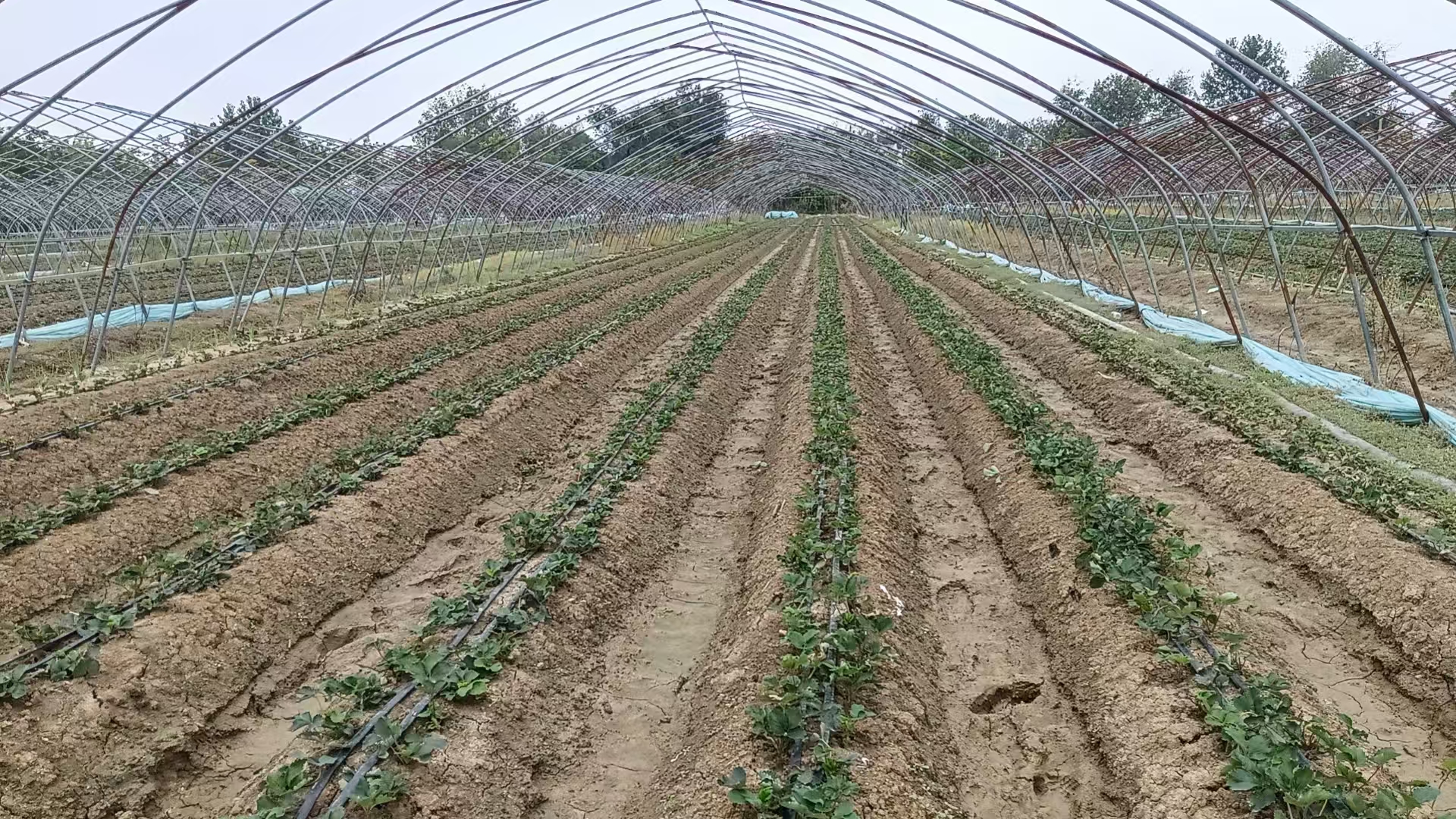
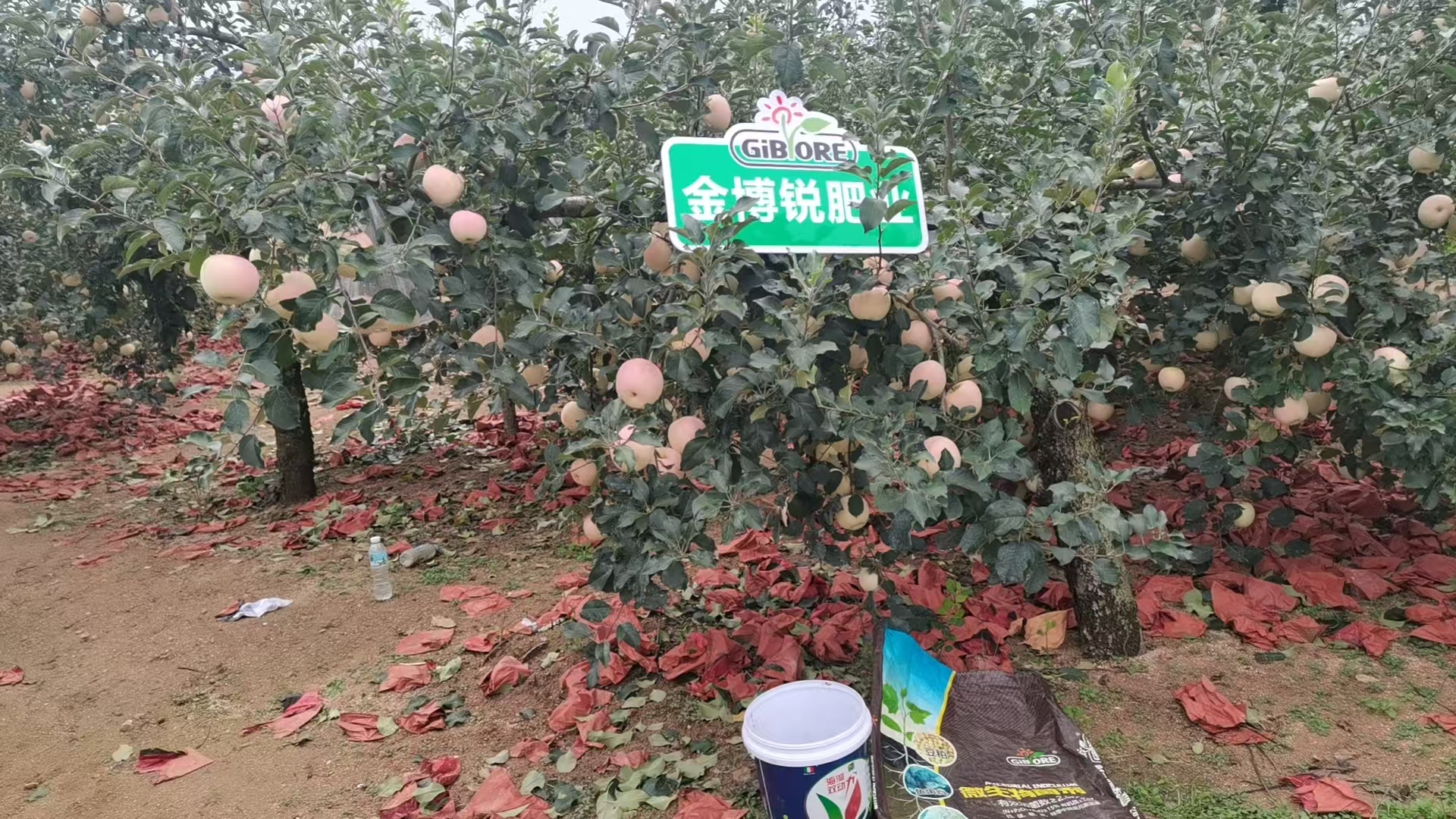
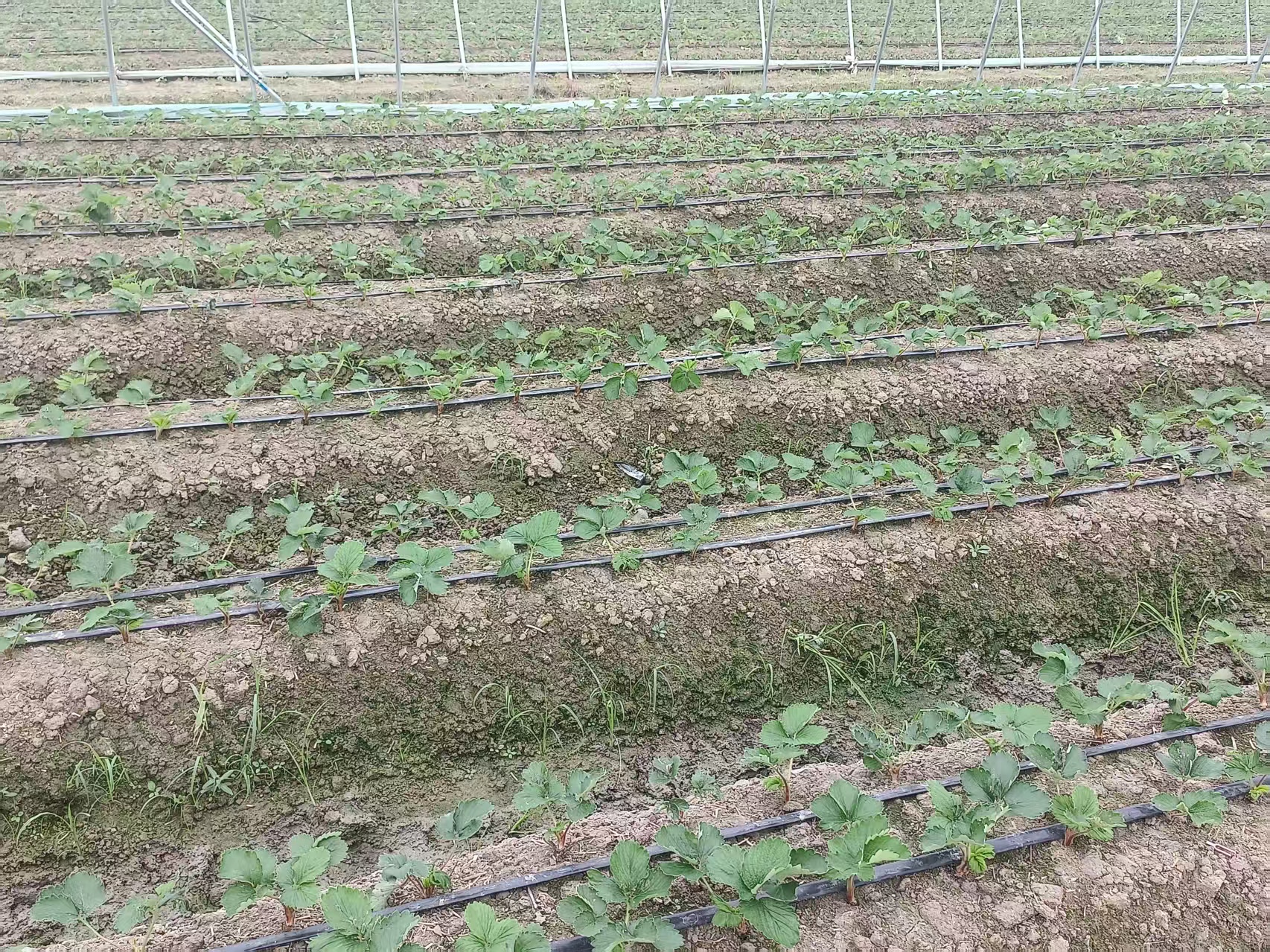
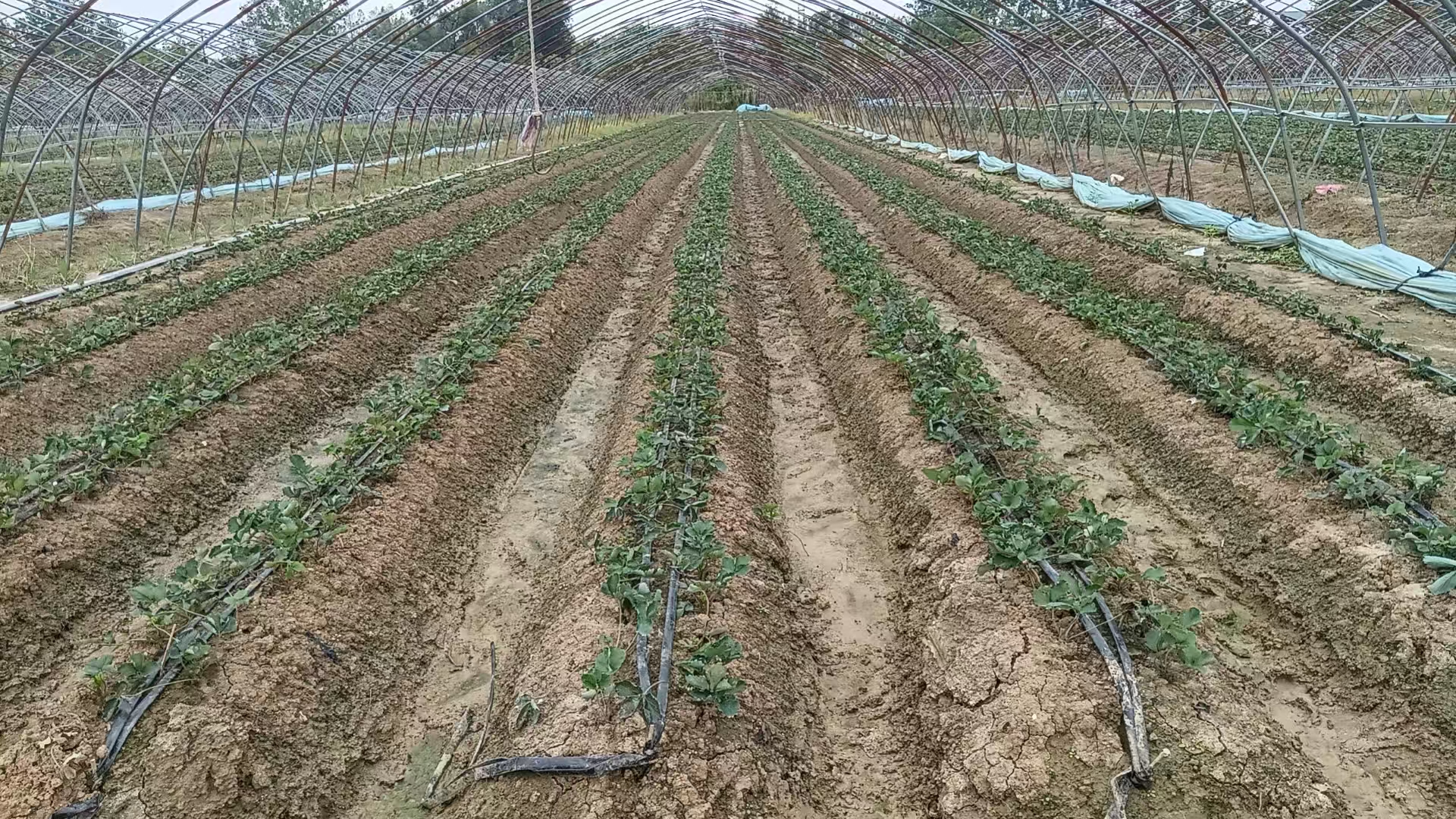
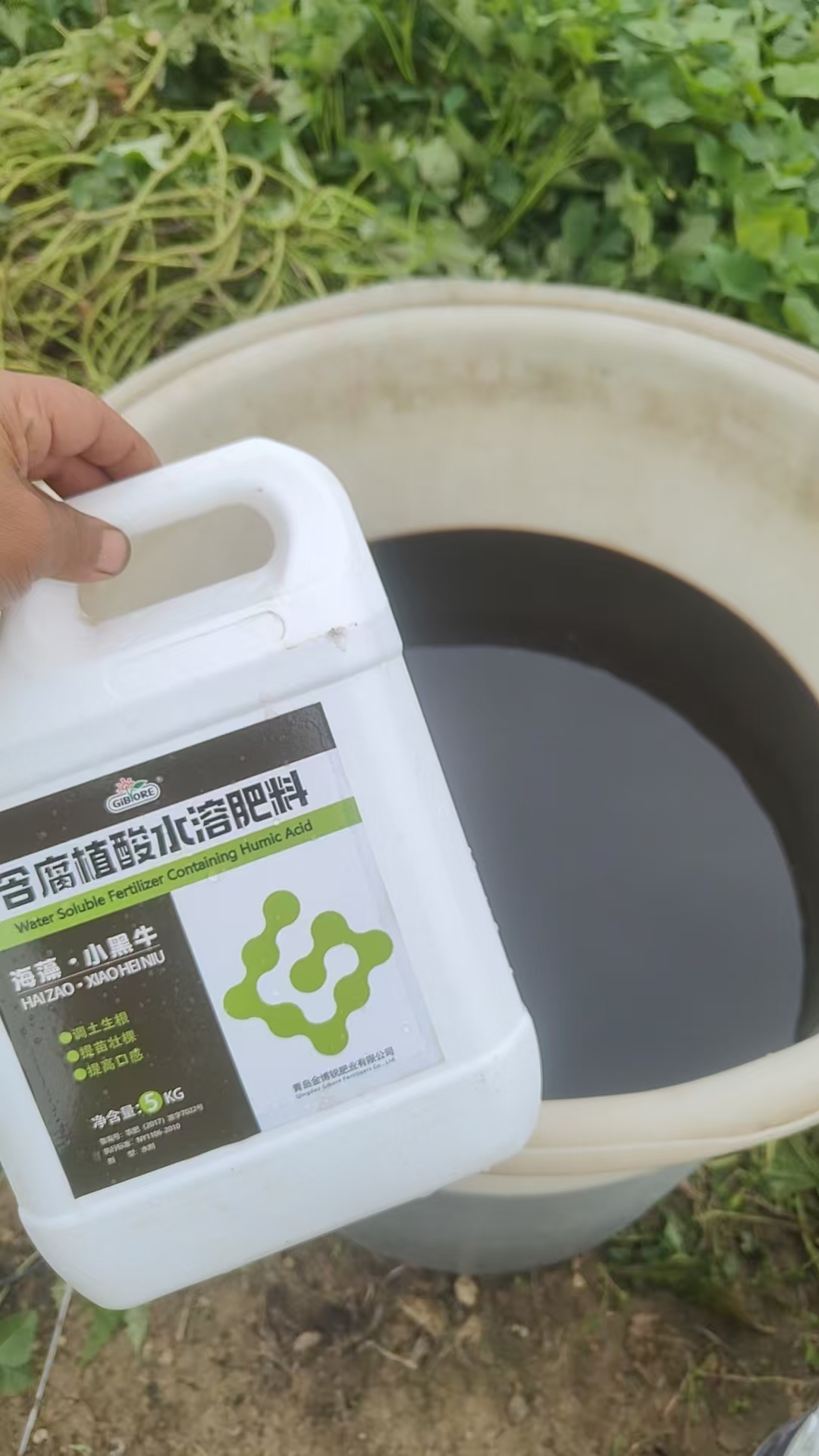
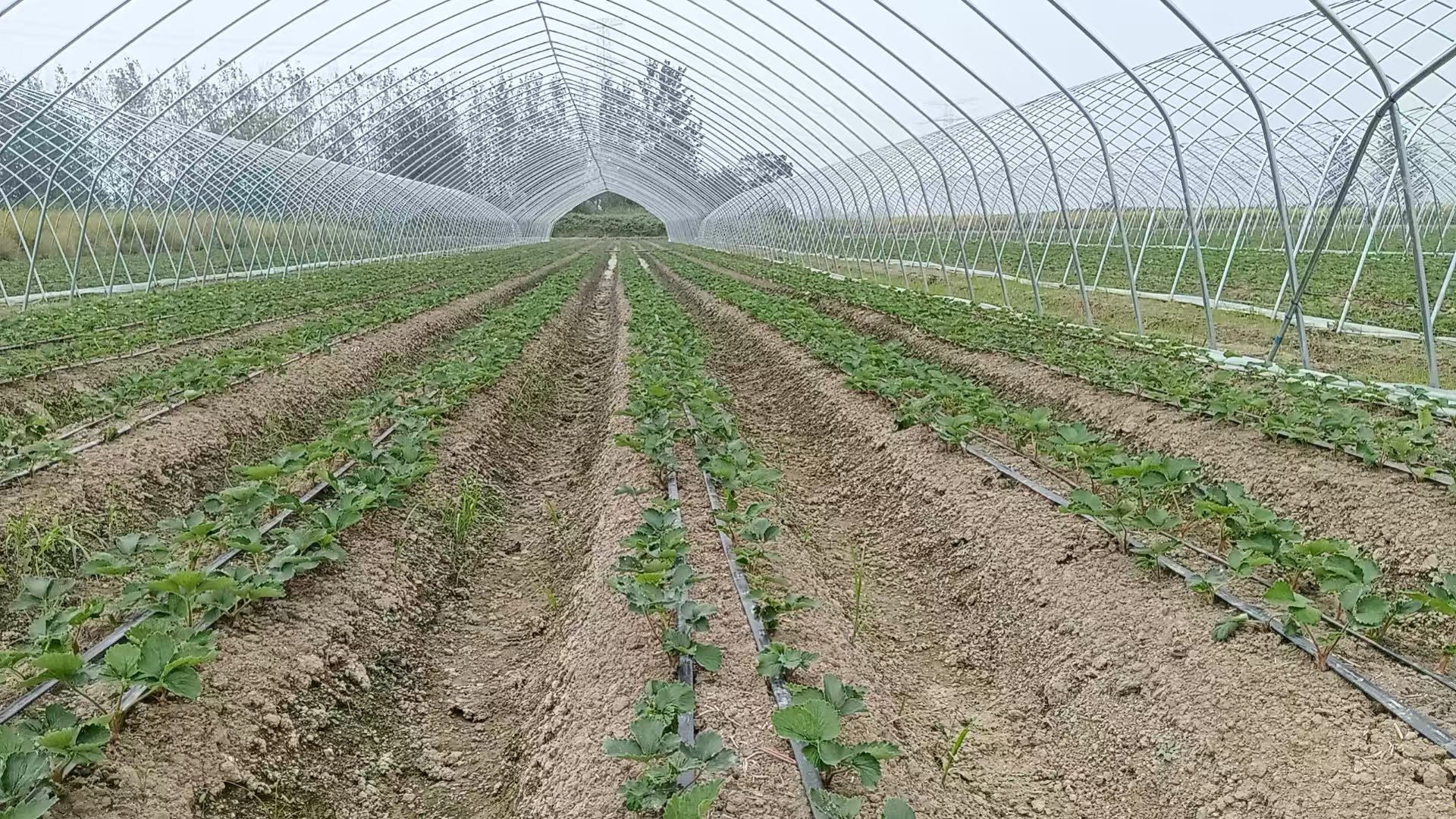
Del Monte Banana Cooperative — 120 Hectares
Davao Region, Philippines
The Challenge
The cooperative was experiencing low bunch weights averaging 18–20 kg, significant leaf yellowing across 30% of plants, and high rejection rates at the packing house due to small finger size. Granular fertilizer was applied manually three times per year with inconsistent coverage across the plantation.
The Result
After converting to GreenGrow's liquid fertigation program, average bunch weight increased to 26–28 kg, leaf yellowing was eliminated within 2 crop cycles, and packing house rejection rates dropped from 22% to under 6%. The cooperative achieved Dole export certification in the second year of the program.
Banana Fertilizer — Common Questions
What is the best fertilizer for banana plants?
The best fertilizer for banana is a high-potassium liquid fertilizer program applied via drip irrigation. Bananas are the highest potassium-consuming crop in tropical agriculture — a single plant requires 200–400g of potassium per bunch. A program combining high-K NPK (12-6-40) during bunch development, magnesium for leaf health, and seaweed extract for stress resistance delivers the best results for bunch weight and fruit quality.
How much fertilizer does a banana plant need per year?
A mature banana plant producing one bunch per cycle requires approximately 200–400g of K₂O, 100–200g of N, 30–60g of P₂O₅, and 50–100g of MgO per plant per year. When applied as liquid fertilizer via drip irrigation, these amounts are split into weekly or bi-weekly applications throughout the growing cycle, which significantly improves uptake efficiency compared to 2–3 granular applications per year.
Why are my banana leaves turning yellow?
Yellow banana leaves are most commonly caused by magnesium deficiency, which shows as interveinal chlorosis (yellowing between the leaf veins while veins remain green). This is especially common in high-rainfall areas where magnesium is leached from the soil. Apply a magnesium-rich liquid fertilizer as a foliar spray every 10–14 days until symptoms resolve, then maintain with regular drip fertigation including magnesium sulfate.
How do I increase banana bunch weight?
Banana bunch weight is primarily driven by potassium nutrition during the bunch development stage (0–8 weeks after shooting). Apply a high-K liquid fertilizer (12-6-40 NPK ratio) at 8–10 L/ha weekly during this critical period. Combine with adequate magnesium and calcium to support cell expansion and peel development. Seaweed extract applied at shooting also improves hand count and finger uniformity.
Can I use liquid fertilizer for banana with drip irrigation?
Yes — drip irrigation (fertigation) is the recommended application method for banana liquid fertilizer. All GreenGrow liquid fertilizers are 100% water-soluble and compatible with drip systems. Use a Venturi injector or dosing pump to inject fertilizer at the recommended dilution rate (1:200–400 for drip). This method delivers nutrients directly to the root zone with minimal labor and maximum efficiency.
Products Used in This Program
Get Your Free
Banana Fertilizer Program
Our agronomists will design a complete nutrition program tailored to your farm size, soil type, and climate. Includes dosage schedule, timing, and expected yield improvement. Request a free sample or a full fertilizer plan — no commitment required.