☕ Coffee
Fertilizer Solution
Higher Yield, Premium Cup Quality, Better Price
Our complete coffee fertilizer program is designed for Arabica and Robusta growers who want to increase yield while improving cup quality. Stage-specific nutrition from flowering through cherry development ensures consistent, premium-grade harvests season after season.
Why Coffee Requires Specialized Liquid Fertilizer
Coffee (Coffea arabica and Coffea canephora) is one of the world's most valuable agricultural commodities, and one of the most nutritionally complex crops to manage. Unlike annual crops, coffee trees produce flowers, developing cherries, and mature cherries simultaneously on the same branch — creating competing nutrient demands that require precise, stage-specific fertilizer management.
The best fertilizer for coffee is a liquid fertilizer program that delivers nutrients in a water-soluble, immediately plant-available form at each critical phenological stage. Granular fertilizers applied 2–3 times per year cannot address the dynamic nutrient requirements of a coffee tree cycling through flowering, cherry set, cherry development, and post-harvest recovery simultaneously.
Our coffee fertilizer program integrates seaweed liquid fertilizer for uniform flowering induction, micronutrient complex for boron and zinc to prevent empty cherries, humic acid fertilizer for soil pH management in acidic coffee soils, and stage-specific NPK liquid fertilizer for cherry development and bean density.
Coffee farmers in Colombia, Ethiopia, Vietnam, Indonesia, and Kenya have used our program to increase yield by 20–30%, improve cup scores by 3–5 points, and reduce empty cherry rates from 15% to under 3%. For specialty coffee producers, these improvements translate directly into access to premium markets and significantly higher prices per kilogram.
Liquid fertilizer for coffee is particularly effective in the high-rainfall environments where most Arabica is grown. In these conditions, granular fertilizers are rapidly leached from the soil before plants can absorb them. Liquid fertilizers applied via drip irrigation or foliar spray deliver nutrients precisely when and where the plant needs them — dramatically improving nutrient use efficiency and reducing the environmental impact of fertilizer runoff.
Our coffee fertilizer program is also designed to improve soil health over time. Regular applications of humic acid improve soil organic matter, buffer soil pH in naturally acidic coffee soils, and support the beneficial microbial populations that make nutrients available to coffee roots. This builds long-term soil fertility rather than depleting it.
What Holds Coffee Farmers Back?
Inconsistent flowering leading to uneven cherry development and difficult, costly harvest logistics
Low cup score (under 83 SCA points) preventing access to specialty coffee markets and premium pricing
Zinc and boron deficiencies causing poor bean formation, empty cherries, and reduced effective yield
Soil acidification from excessive nitrogen fertilizer reducing nutrient availability and damaging beneficial microbes
Poor root development in volcanic, clay, or waterlogged soils limiting plant vigor and nutrient uptake
High post-harvest stress leaving trees nutritionally depleted and reducing next season's flowering potential
The GreenGrow Coffee Nutrition System
Coffee requires precise nutrition at each phenological stage. Our program uses seaweed extract to trigger uniform flowering, boron and zinc to prevent empty cherries, balanced NPK during cherry development, and humic acid to maintain soil health in high-rainfall coffee regions. The result is consistent yields and improved cup quality.
- Seaweed extract triggers uniform flowering for synchronized, easier harvest
- Boron and zinc micronutrient program prevents empty cherries and poor bean formation
- Humic acid maintains soil pH and improves nutrient availability in acidic coffee soils
- Potassium-rich formula during cherry fill improves bean density and cup score
- Post-harvest recovery program restores tree vigor for next season's flowering
- Suitable for Arabica, Robusta, and Liberica varieties in all coffee-growing regions
Coffee Fertilizer Program — Stage by Stage
Stage-by-stage liquid fertilizer program designed by tropical agronomists for maximum coffee yield and quality.
| Growth Stage | Product | Function | Rate | Frequency | Method |
|---|---|---|---|---|---|
| Pre-Flowering (6–8 wks) | Seaweed Extract + Humic Acid | Trigger uniform flowering, boost bud development | 3–5 L/ha | Weekly | Foliar / Drip |
| Flowering | High-P NPK + Boron-Zinc | Improve pollen viability, prevent flower drop | 4 L/ha | Bi-weekly | Foliar Spray |
| Cherry Set (0–6 wks) | Micronutrient Complex + Seaweed | Prevent empty cherries, ensure bean formation | 3 L/ha | Weekly | Foliar Spray |
| Cherry Development (6–16 wks) | Balanced NPK (20-20-20) + Humic | Balanced growth, increase cherry size and weight | 6–8 L/ha | Weekly | Drip Irrigation |
| Cherry Fill & Ripening | High-K NPK (12-6-40) | Increase bean density, improve cup score | 5 L/ha | Bi-weekly | Drip Irrigation |
| Post-Harvest Recovery | Humic Acid + Seaweed Extract | Restore soil health, prepare for next season | 5 L/ha | Monthly ×3 | Drip / Soil Drench |
How to Apply Liquid Fertilizer to Coffee
Our liquid fertilizers are compatible with drip irrigation (fertigation), foliar spray, and soil drench methods — each with specific dilution rates and timing guidelines.
Drip Irrigation (Fertigation)
Inject into drip lines using a Venturi injector or dosing pump. Ideal for flat or terraced coffee farms with existing drip infrastructure. Ensures uniform nutrient delivery to the root zone with minimal labor. Particularly effective for NPK and humic acid applications throughout the season.
Foliar Spray
Apply during early morning before temperatures rise above 25°C. Essential for boron, zinc, and micronutrient applications during flowering and cherry set stages. Nutrients are absorbed within 2–4 hours, making this the fastest method for correcting deficiencies and supporting critical growth events.
Soil Drench (Root Zone)
Apply around the root zone of each tree. Particularly effective for humic acid applications to improve soil organic matter, pH buffering, and beneficial microbial populations in acidic coffee soils. Also used for post-harvest recovery applications.
Real Farm Application Gallery
Photos from our partner farms — real results from real growers using GiBORE liquid fertilizer
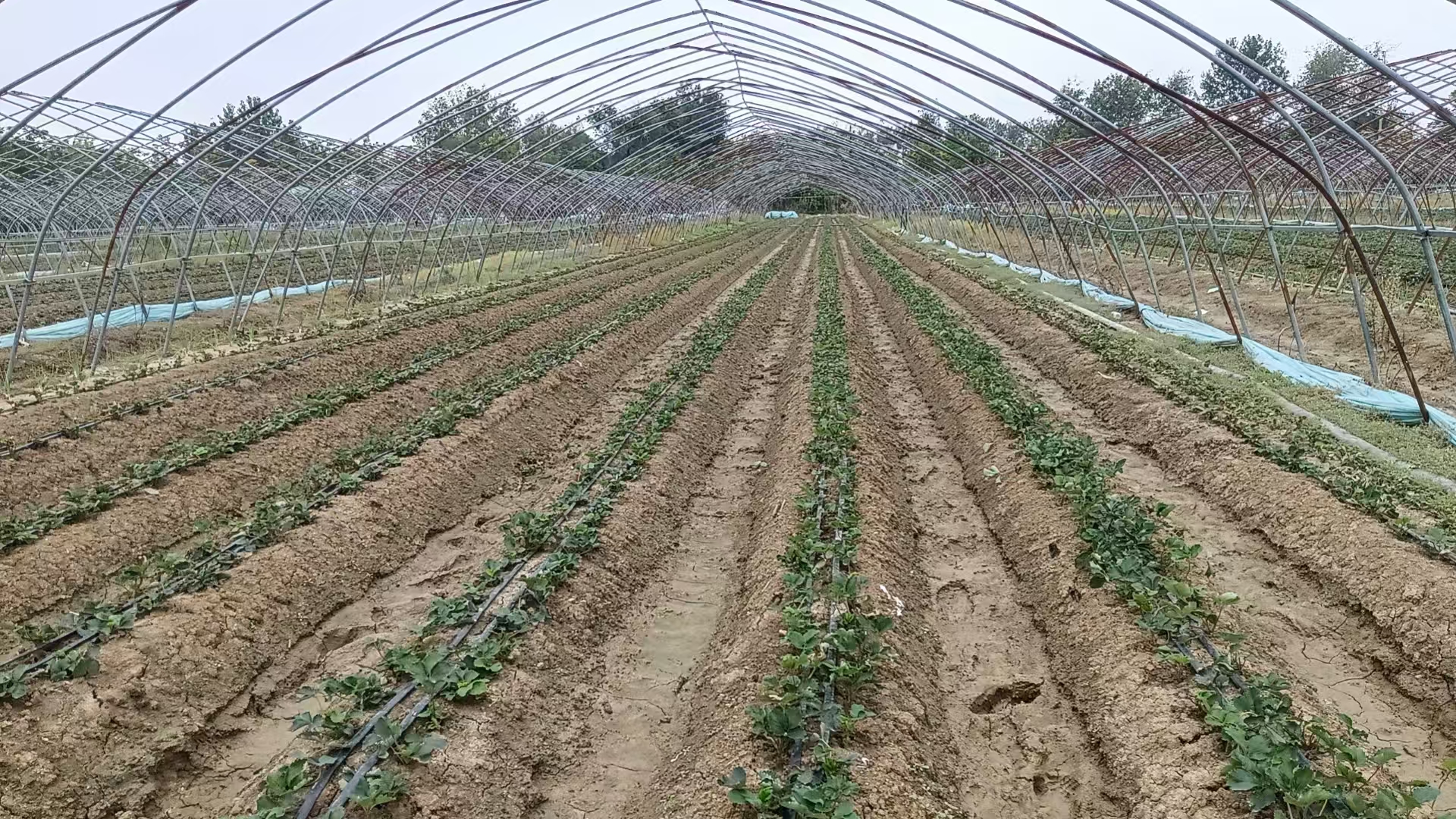
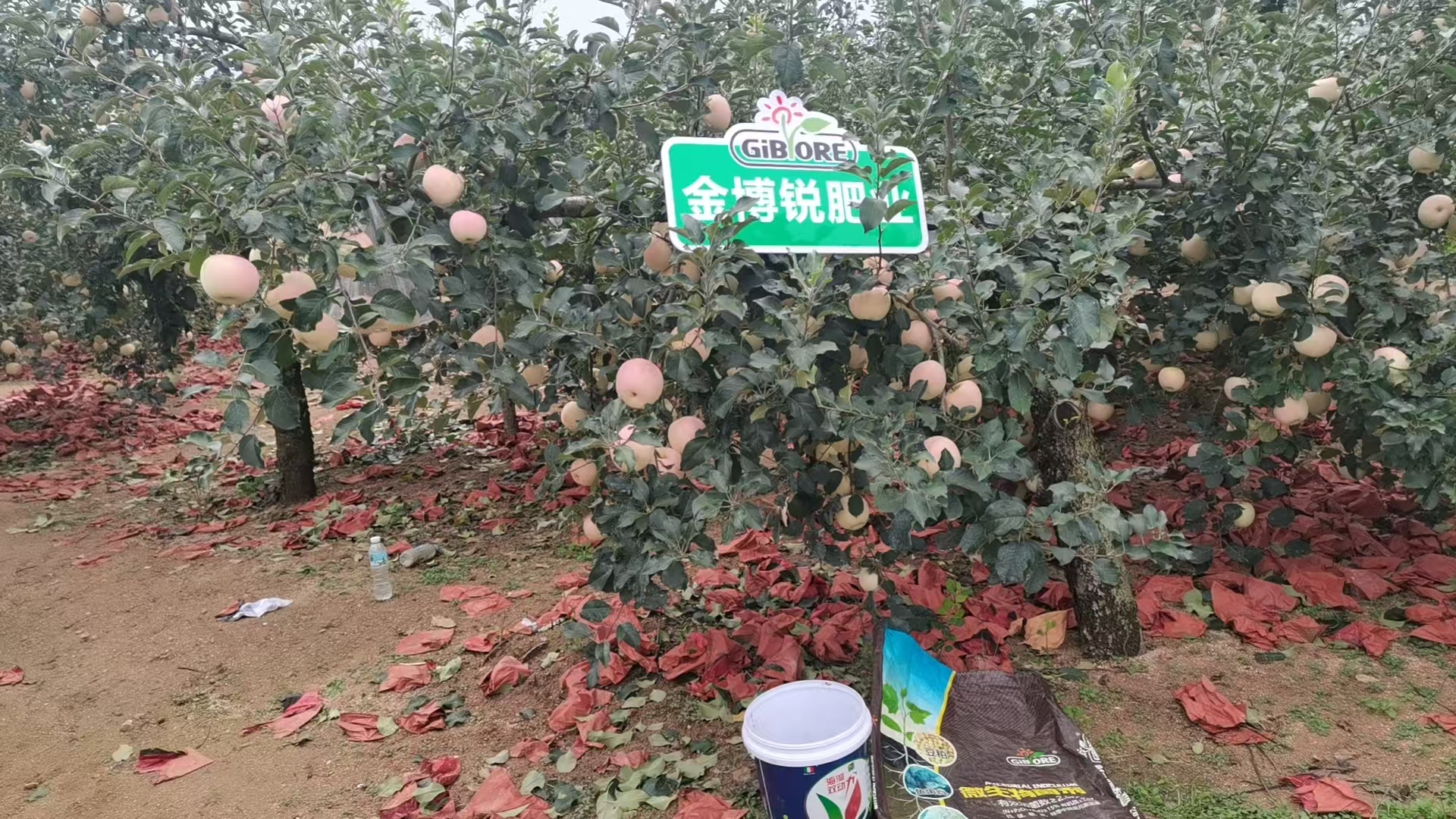
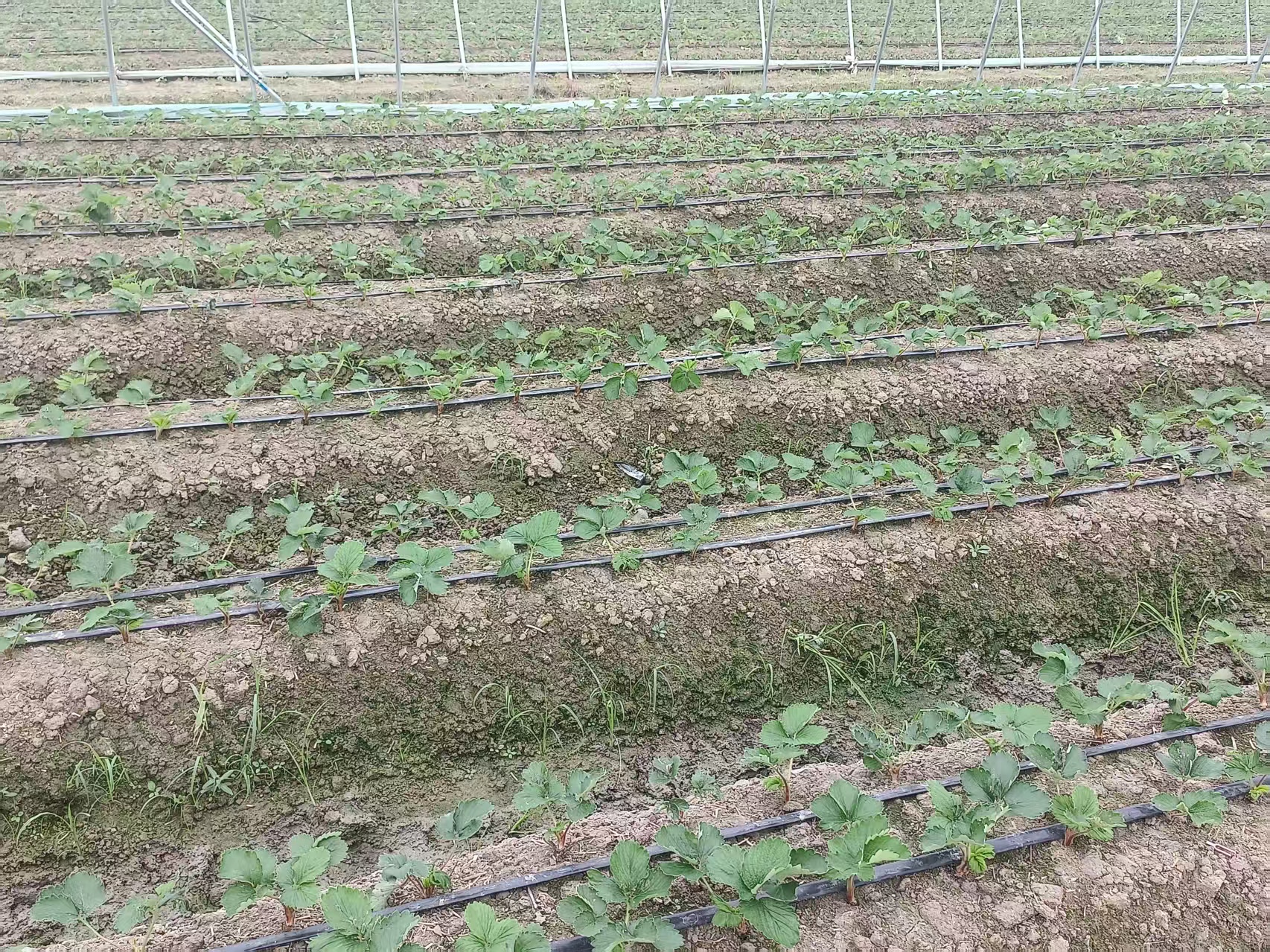
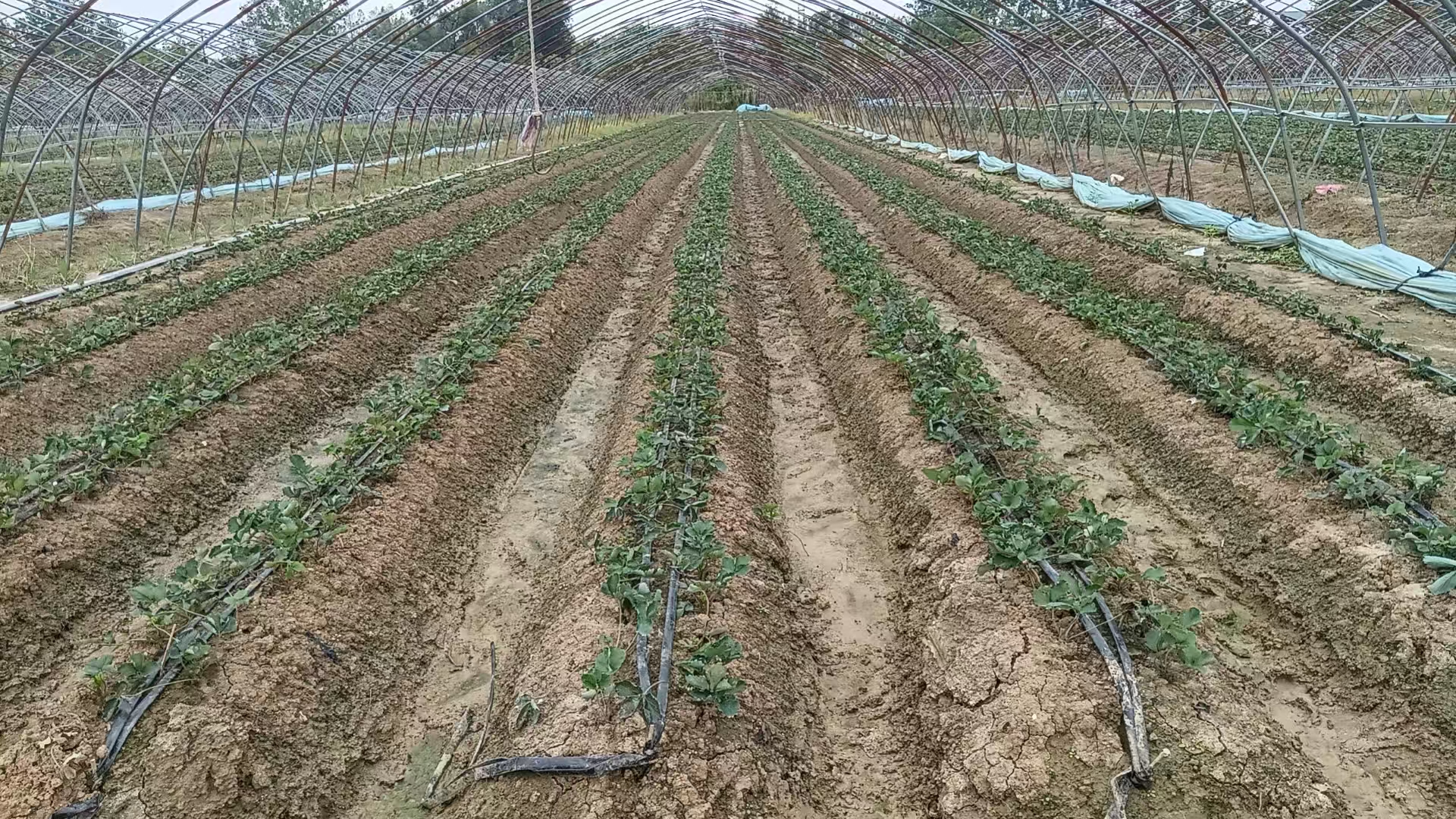
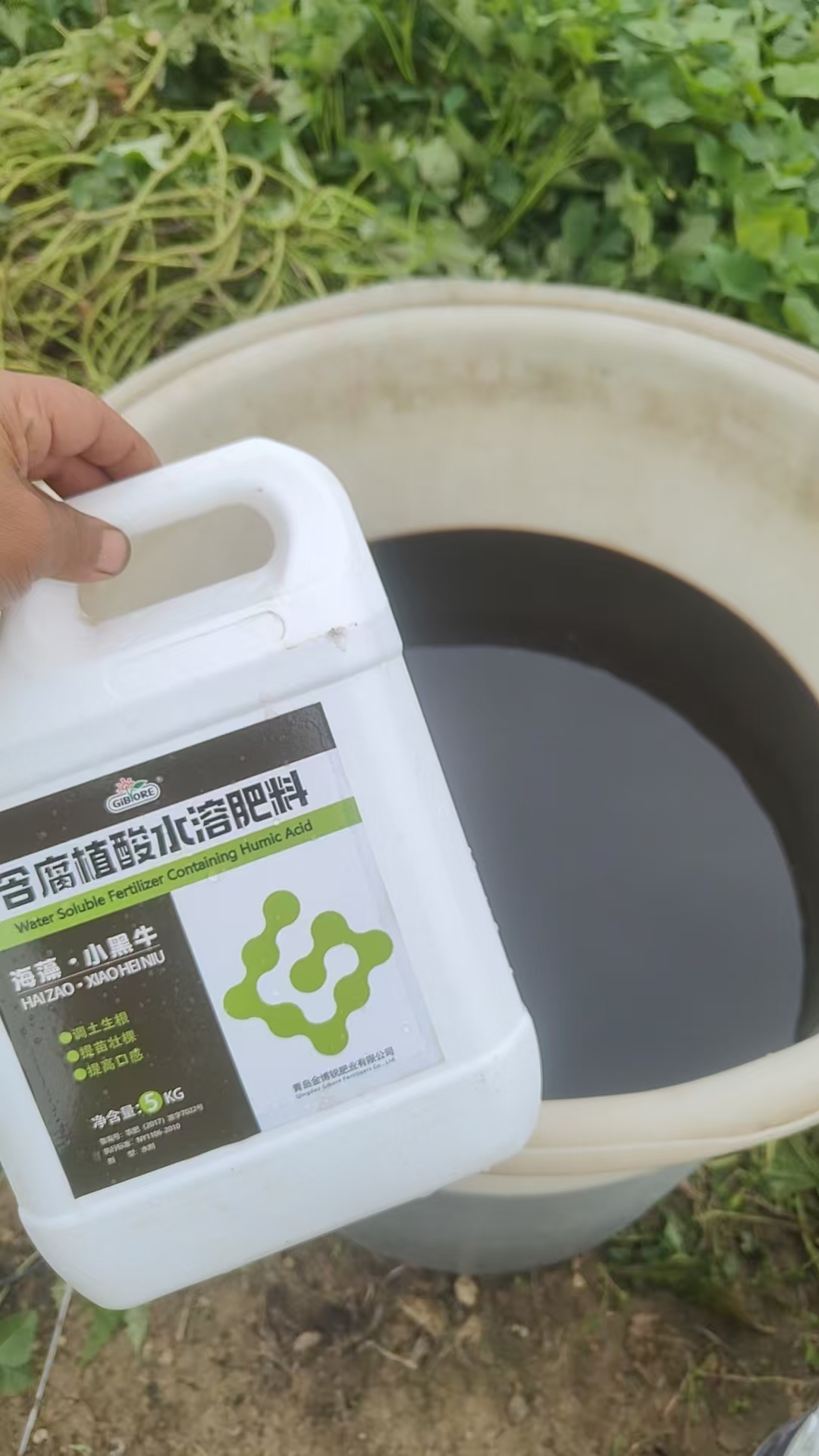
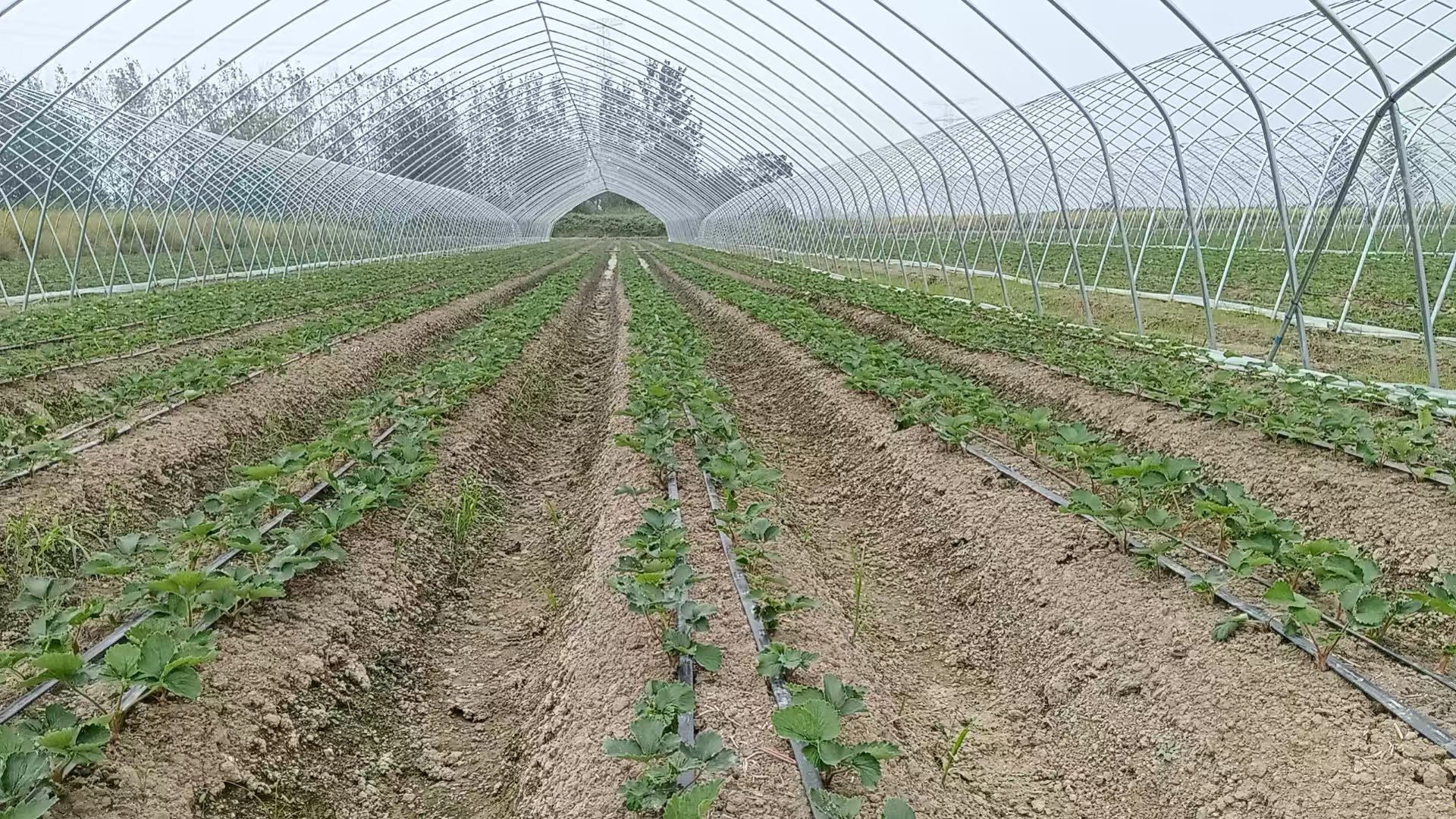
Finca El Paraíso — 25 Hectares Arabica
Huila Department, Colombia
The Challenge
The farm was producing inconsistent harvests with low cup scores averaging 82 SCA points, making it difficult to access specialty coffee buyers. High rates of empty cherries (estimated 15%) were reducing effective yield significantly, and soil pH had dropped to 4.8 from years of granular ammonium sulfate application.
The Result
After implementing GreenGrow's coffee liquid fertilizer program for two seasons, cup scores improved to 85–87 SCA points, empty cherry rate dropped to under 3%, soil pH recovered to 5.5–6.0 with humic acid applications, and total yield increased by 25%. The farm successfully entered the specialty coffee market and achieved 40% higher prices per kilogram.
Coffee Fertilizer — Common Questions
What is the best fertilizer for coffee plants?
The best fertilizer for coffee is a stage-specific liquid fertilizer program that addresses each phenological stage: seaweed extract for uniform flowering, boron-zinc micronutrients to prevent empty cherries, balanced NPK during cherry development, high-K formula during cherry fill for bean density and cup score, and humic acid throughout for soil health. Applied via drip irrigation or foliar spray, liquid fertilizers achieve 3–5× higher nutrient use efficiency than granular alternatives in high-rainfall coffee environments.
How do I increase coffee yield with fertilizer?
To increase coffee yield, focus on three key areas: (1) uniform flowering — apply seaweed extract 6–8 weeks before expected flowering to synchronize bud development; (2) cherry retention — apply boron and zinc at flowering and cherry set to prevent empty cherries; (3) cherry development — apply balanced NPK weekly during the 6–16 week cherry development period. A complete liquid fertilizer program addressing all three areas typically increases yield by 20–30%.
How does fertilizer affect coffee cup quality?
Potassium is the primary driver of cup quality in coffee. High-potassium fertilizer applied during cherry fill and ripening increases bean density, improves sugar content, and enhances the aromatic compounds that determine cup score. Magnesium supports chlorophyll production and photosynthesis, contributing to complex flavor development. Boron and zinc prevent empty cherries and ensure complete bean formation. A well-managed liquid fertilizer program can improve SCA cup scores by 3–5 points.
Why are my coffee cherries empty or underdeveloped?
Empty or underdeveloped coffee cherries (called 'floaters' or 'pea berries' in excess) are primarily caused by boron and zinc deficiency during flowering and cherry set. Boron is essential for pollen tube development and fertilization, while zinc is required for seed development. Apply a boron-zinc liquid fertilizer as a foliar spray every 7 days during flowering and the first 6 weeks of cherry development to prevent this problem.
Can I use liquid fertilizer for coffee with drip irrigation?
Yes — drip irrigation (fertigation) is highly recommended for coffee liquid fertilizer application, especially in commercial plantations. All GreenGrow liquid fertilizers are 100% water-soluble and compatible with drip systems. Use a Venturi injector or dosing pump to inject fertilizer at the recommended dilution rate (1:200–400). For smallholder farmers without drip systems, foliar spray and soil drench are equally effective alternatives.
Products Used in This Program
Get Your Free
Coffee Fertilizer Program
Our agronomists will design a complete nutrition program tailored to your farm size, soil type, and climate. Includes dosage schedule, timing, and expected yield improvement. Request a free sample or a full fertilizer plan — no commitment required.